ServicesRoof Inspections
Roof Inspections in Wilder That Find the Real Cause
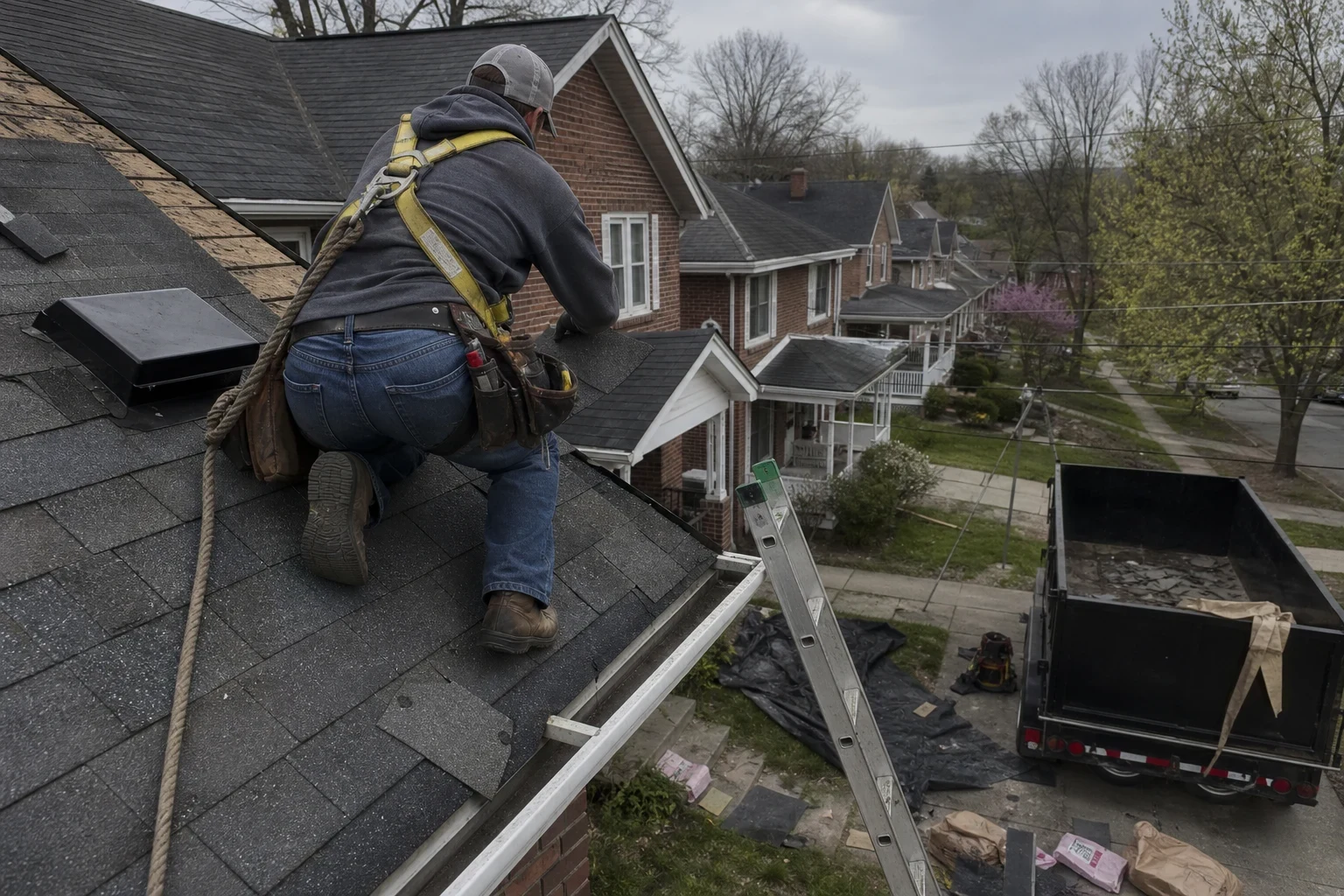
We check your roof from the shingles down to the attic decking, trace each problem to the spot where it starts, and photograph it. Then we sort the list with you: what should be handled now, what can wait a season, and the reason behind each call.
What a Roof Inspection Should Tell You
A roof inspection covers each layer between the weather and your home: shingles, flashing, pipe boots, vents, the decking visible from the attic, and the gutters that move water off the roof. A checklist alone is not the point. We want to answer one question: what is going on up there, and what started it.
Leaks rarely show up where water gets in. A stain on a bedroom ceiling can start at a split rubber pipe boot or a loose piece of step flashing beside a dormer, then run down a rafter several feet before it drips. We follow that path back to its source, so the repair goes where the problem is instead of where the symptom appeared.
Schedule one when a home sale or purchase is on the table, once a severe storm has moved through, when nobody can tell you how old the roof is, or when you are deciding between roof repair and roof replacement and want evidence in hand before any money changes hands.
What We Check on Your Roof
Shingle surface and seal strips
We look for granule loss, cracking, curling and tabs that have come unsealed. Unsealed tabs lift in wind and let rain drive under them. We also look for nail pops, where a fastener has backed out and pushed up through the shingle above it.
Flashing and penetrations
Step flashing along sidewalls, counterflashing at the chimney, skylight curbs, and the boots around plumbing vents. These joints are where most leaks begin, because sealant dries out and rubber boots crack long before the shingles wear out.
Attic and decking
From inside, we check for daylight at nail holes, dark water lines on the sheathing, soft or delaminating plywood, and rusted nail tips. Frost on nails in winter tells us warm, moist air is getting trapped under the roof.
Ventilation balance
We compare the intake at your soffits with the exhaust at the ridge or box vents. When that balance is off, shingles bake from below in summer and snow melts unevenly in winter, which feeds ice dams.
Edges, gutters and drip edge
Rotted fascia, missing drip edge, gutters pitched the wrong way, and downspouts dumping water against the foundation all show up here. When the gutters turn out to be the weak link, we tell you that plainly, and our gutters page explains that work.
A photo record you keep
Each issue is photographed and paired with a short note on its cause. That record is yours, hire us or not.
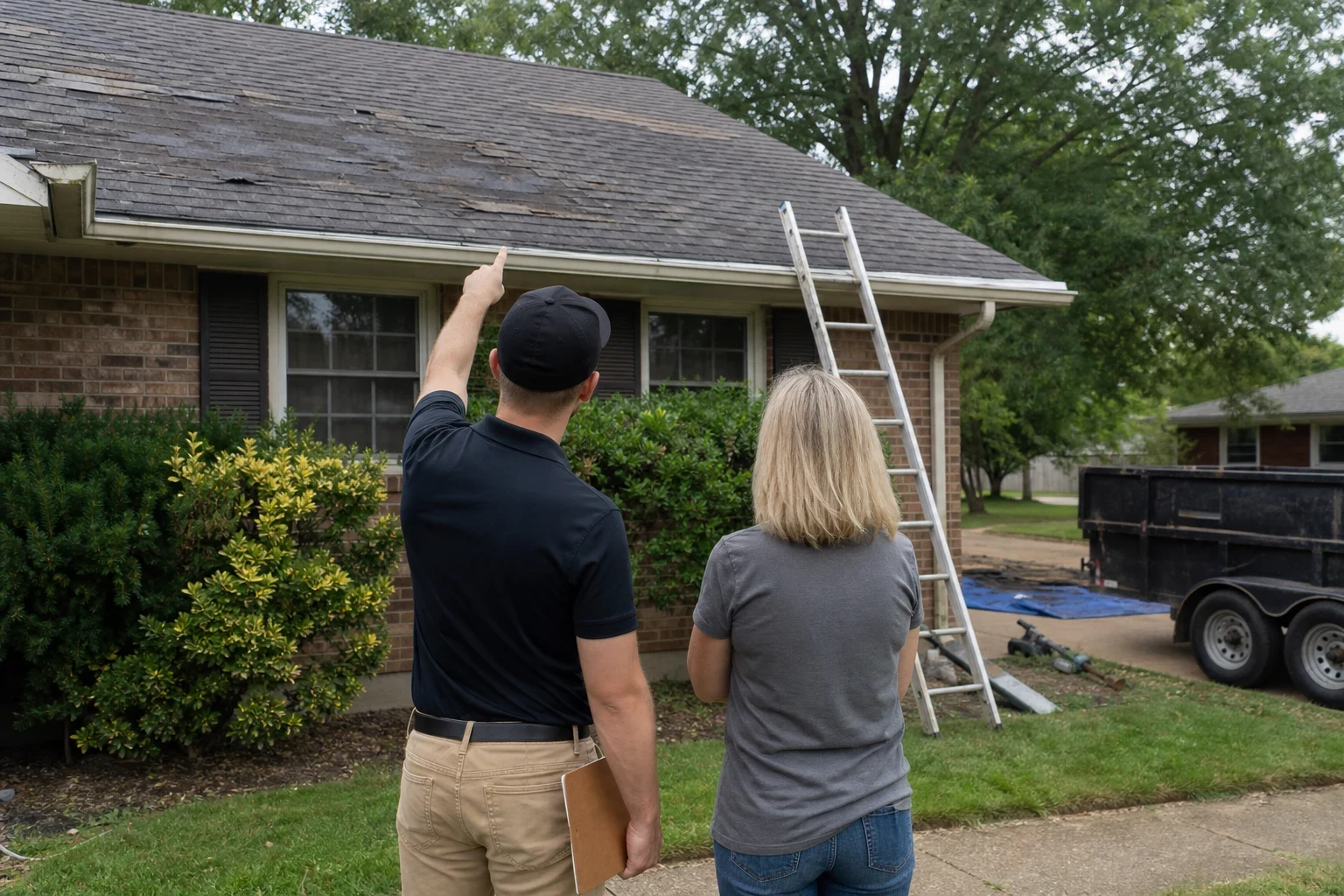
Signs Your Roof Is Due for a Look
- Stains on a ceiling or in the attic
- Even a dry, old stain means water got in at some point. We find out whether the source was fixed or is still active.
- Granules collecting in the gutters
- A handful of gray grit at the downspout means shingles are shedding their protective layer. Heavy loss leaves the asphalt exposed to sun and speeds up cracking.
- A hailstorm or high wind just passed
- Hail bruises often don't show from the yard, and gusts can break a seal strip while leaving the shingle in place. Our storm damage repair page covers what happens if we confirm damage.
- Icicles or ice dams along the eaves
- Northern Kentucky winters swing above and below freezing, so meltwater refreezes at the cold roof edge and backs up under shingles. Ice buildup usually points to an attic heat or ventilation problem worth tracing.
- Old tar patches or mismatched shingles
- Previous repairs tell us where trouble has already been. We check whether those patches are holding or just hiding a problem that never got fixed.
How Your Inspection Goes
- 1
A short phone call
Describe what you've seen and roughly where on the house. We pick a time together and ask how to reach the attic so nothing gets skipped on the day.
- 2
Ground and roof walk
We start from the yard to read the roof lines and gutters, then go up when the pitch and weather make it safe. We photograph the field shingles, every penetration and every flashing joint.
- 3
Attic check
We need a clear path to the attic hatch. Inside, we match any stains or soft decking to what we saw on top, which is how we confirm the true entry point.
- 4
Findings, explained
We walk you through the photos, name the cause of each issue, and give you an honest repair-or-replace answer. If work is needed, your free estimate is itemized so you can see what each part of the job covers.
What Moves the Cost of Any Work We Find
The inspection costs you nothing. If it turns up a problem, the price of fixing it depends on what the cause is and how far the damage has spread. Naming the cause first keeps you from paying for work your roof does not need.
- The source of the problem
- Resealing a pipe boot is a small job. Rebuilding chimney flashing or correcting a ventilation layout takes more material and more hours.
- Decking condition
- Water that has sat on plywood for months can soften it. Any soft sheathing gets cut away and fresh plywood fastened in before shingles go back on, and you see photos of it first.
- Pitch, height and access
- Steep or tall roofs need extra safety setup and move slower. Tight lots and landscaping close to the walls also affect setup time.
- Matching existing materials
- If your shingle line has been discontinued, a repair may need the closest available match or a larger section replaced so it looks and seals right.
Roof Inspection Questions
- Is the inspection really free?
- It is. We don't bill for the visit, and having us out doesn't commit you to any work. The photos and findings stay with you whatever you decide.
- How long does an inspection take?
- Plan on about an hour for a typical house. Steep pitches, several dormers or a cramped attic hatch stretch that out. We don't rush it, because one overlooked flashing joint can mean a leak that keeps coming back.
- Do I need to be home?
- It helps, mainly so we can get into the attic and show you the findings in person. If you can't be there, we can still check the exterior and go over the photos with you by phone.
- Will you just tell me I need a new roof?
- Only if the evidence points there, such as widespread granule loss, brittle shingles or soft decking across large areas. Many leaks come from one failed part that a targeted roof repair will fix. We explain which case you are in and show you why.
- Can an inspection help with an insurance claim?
- We document storm damage with dated photos and explain what we saw and what caused it. Your insurance adjuster makes the coverage decision, but clear evidence makes that conversation easier.
- What if there is snow or ice on the roof?
- We won't walk an icy roof. We can check the attic and the eaves from a ladder, then come back for the full roof once it is clear and safe.
Find Out What Your Roof Is Really Doing
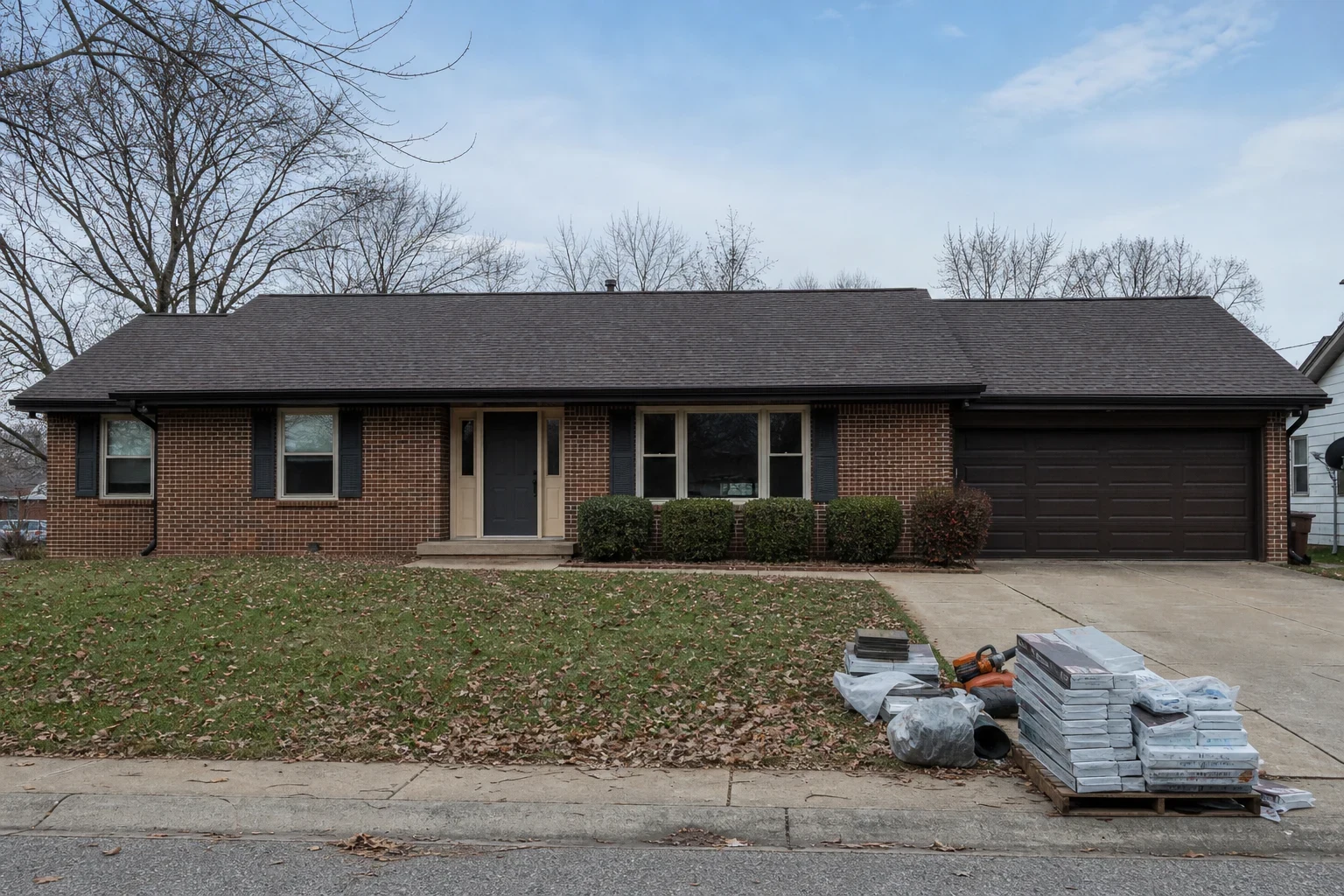
We check homes in Wilder and nearby towns like Cold Spring, Fort Thomas and Highland Heights. You get photos, the cause of each problem, and a straight answer on what to do next.